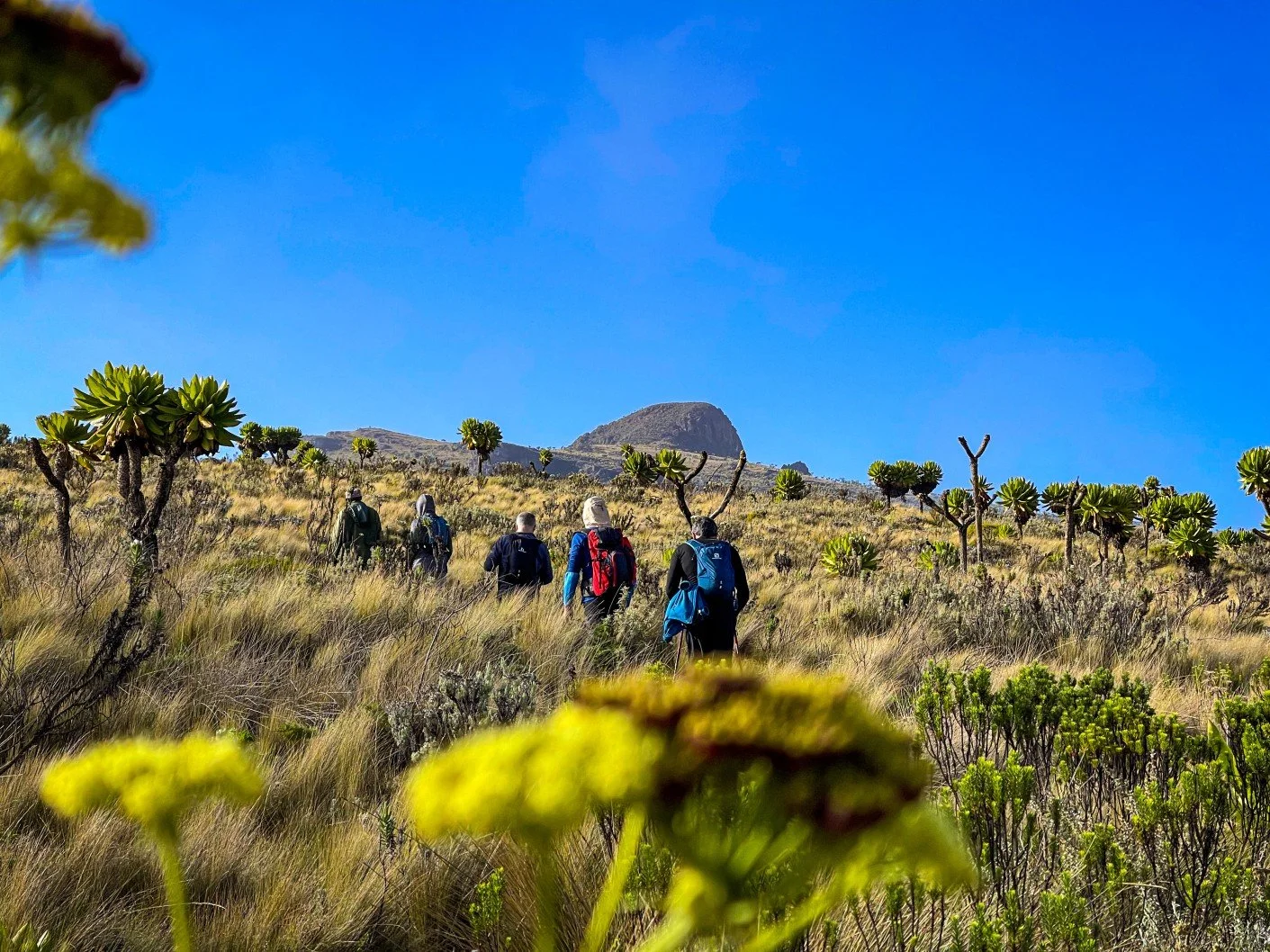
Station 01, Sacred, Birding, Passage III
Uganda
Eight stations on one staircase, from Wagagai to the Nile.
Begin the DescentThe staircase starts on a moorland above the clouds.
Station 01 · Sacred
4,321m
An extinct volcano with one of the largest calderas on earth, and the mountain the Bagisu hold as the source of imbalu, the initiation that orders a man's life. Jackson's Francolin and Alpine Chat on the moorland.
Photograph © Sacred Earth
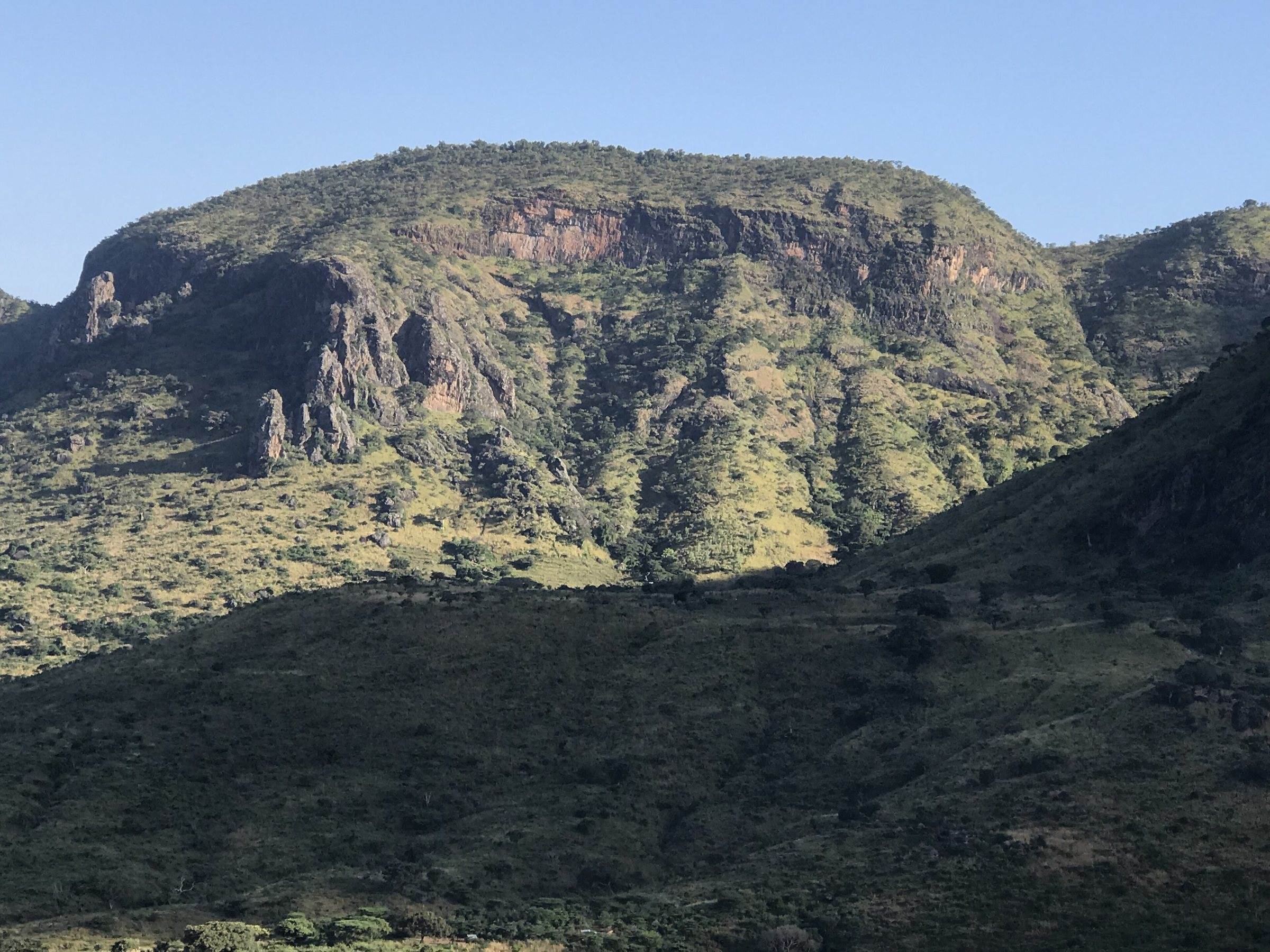
Station 02 · Cosmology
3,083m
Dry-country forest on a mountain the Tepeth have farmed and held for centuries, above the Karamojong plains where cattle are kinship, wealth and ritual at once.
Photograph RobertaNK / Wikimedia Commons · CC BY-SA 4.0
Not a tour of Uganda. A descent through it.
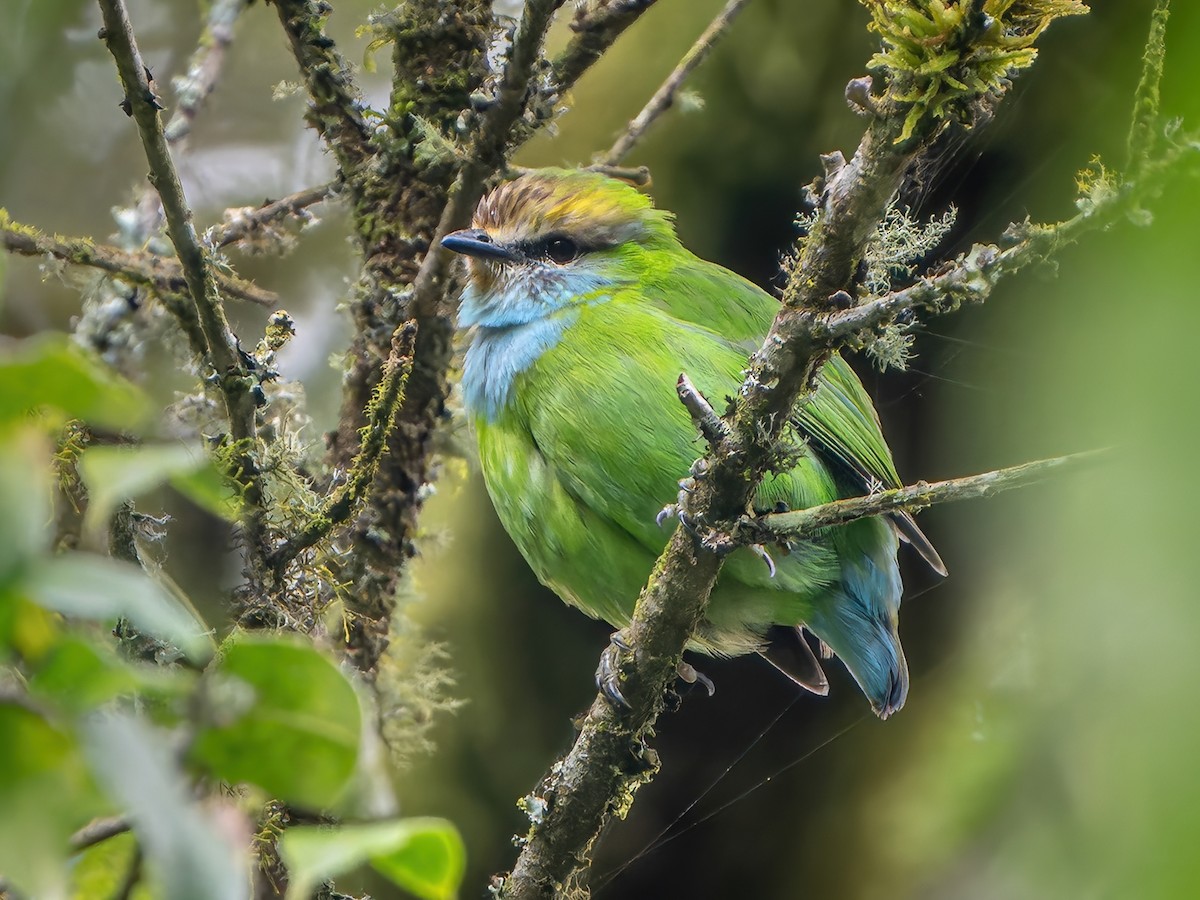
Station 03 · Birding
2,340m
The trail serious birders cross the world for: African Green Broadbill, Grauer's Rush Warbler, Handsome Francolin. Over twenty Albertine Rift endemics in forest older than the last ice age.
Photograph © Sacred Earth
Station 04 · Community
1,775m
Three waterfalls off Elgon's flank, walked with a community guide, and Arabica taken tree to cup with the Bagisu grower who raised it.
Photograph Kateregga1 / Wikimedia Commons · CC BY-SA 4.0
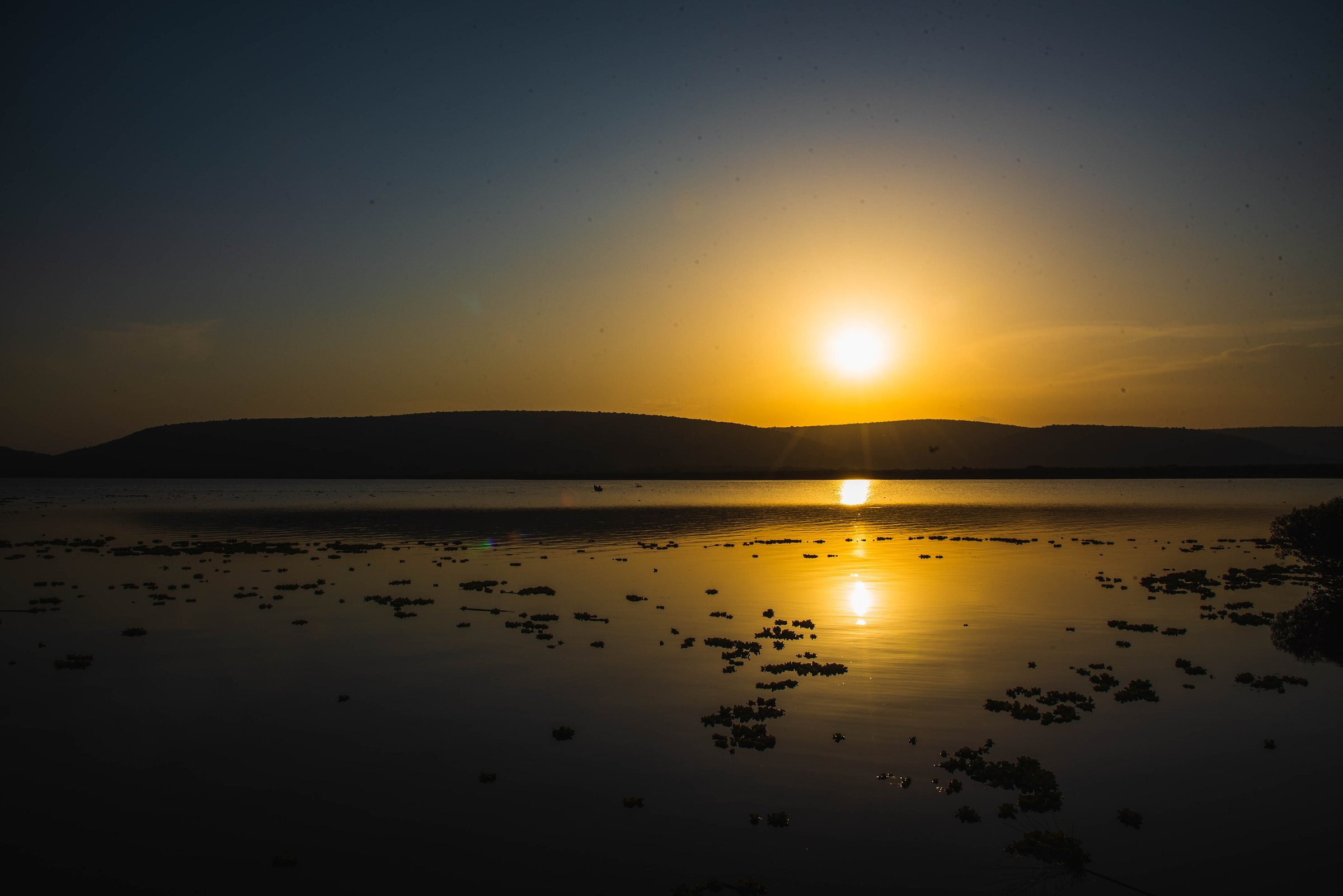
Station 05 · Cosmology
1,256m
Ten square kilometres of ditch and berm on the south bank of the Katonga, radiocarbon-dated to roughly AD 1300–1500. The largest pre-colonial monument in Uganda, and the material trace of the people oral tradition remembers as the Chwezi.
Photograph Timothy Akolamazima / Wikimedia Commons · CC BY-SA 4.0
Every station is a real place with a real number beside it.
Station 06 · Birding
Seasonally-flooded grass and acacia holding Fox's Weaver, found in Uganda and nowhere else on earth, alongside the Karamoja Apalis. Uganda's second-largest protected area, and almost nobody in it.
Altitude lost so far
3,121 m
Total drop to the Nile
3,701 m
Stations · passages · days
8 · 4 · 8
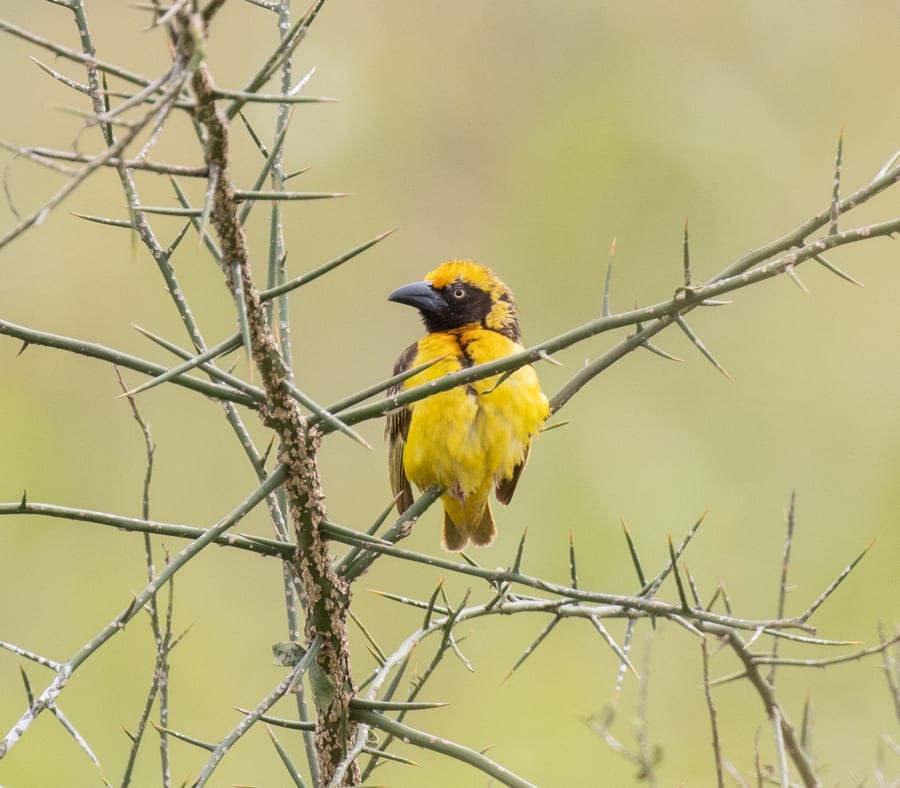
Photograph avocat / iNaturalist · CC BY 4.0
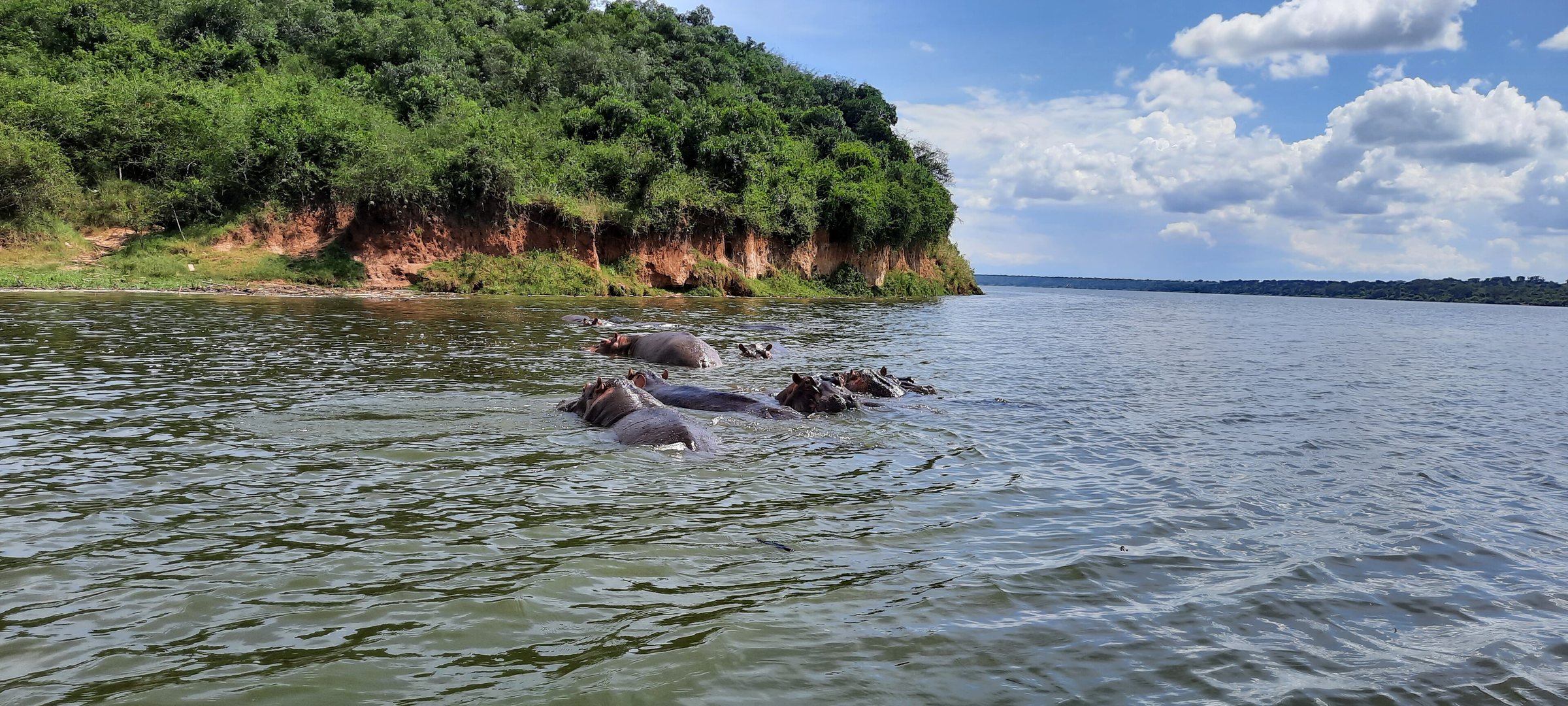
Station 07 · Wildlife
910m
The densest population in Africa
Hippo
Cutting the surface at dusk
Skimmer
Stacked on the bank
Pelican
Photograph Jchambacha / Wikimedia Commons · CC BY-SA 4.0
The index
Top of the staircase
4,321 m
Total drop to the Nile
3,701 m
Passages, days each
4 · 8
Station 01, Sacred, Birding, Passage III
Station 03, Birding, Passage II, Passage IV
Station 05, Cosmology, UNESCO tentative, Passage I
Station 07, Wildlife, Birding, Passage II
Film, Community, Passage III
Station 02, Cosmology, Community, Passage III
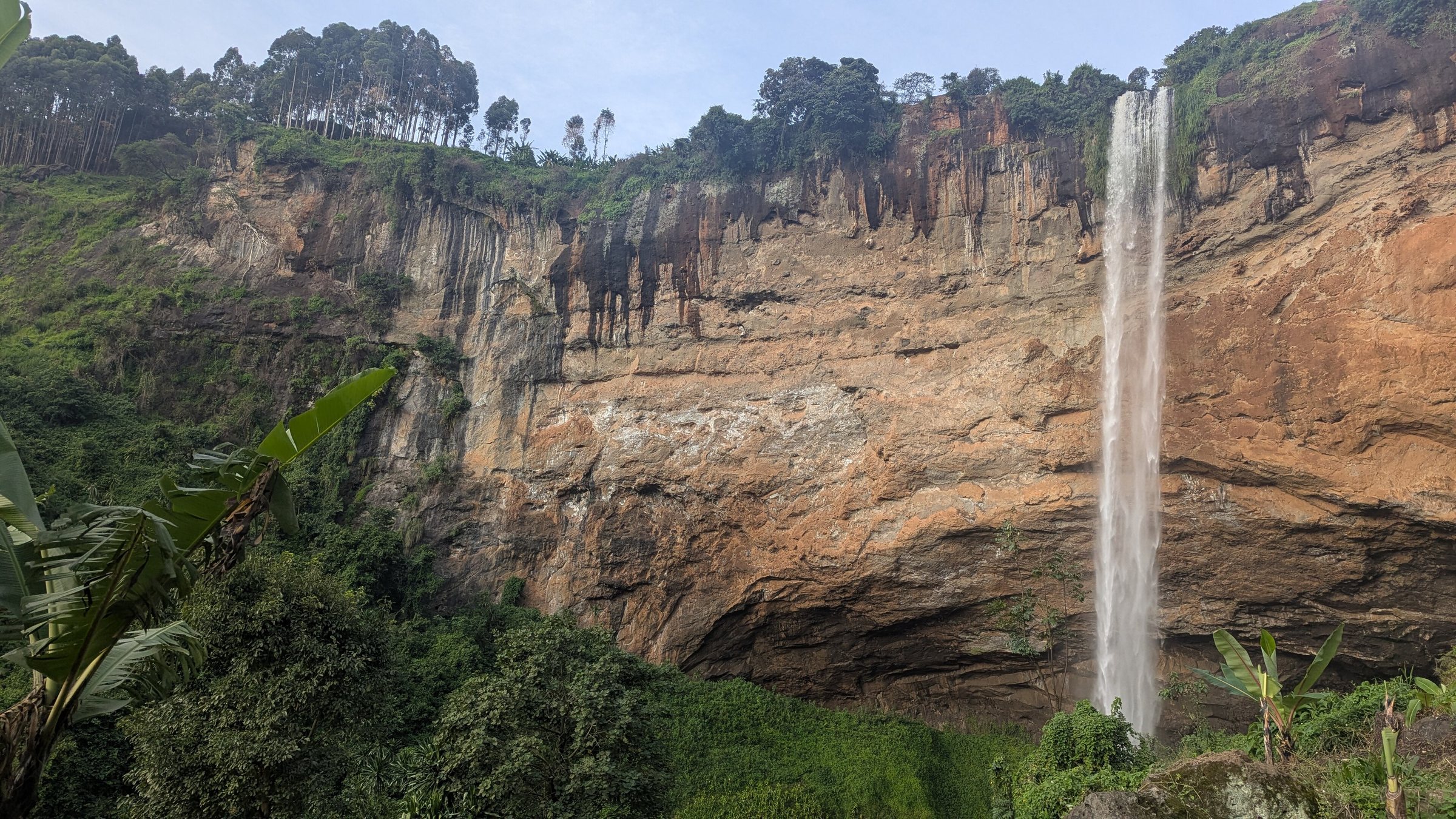
Station 04, Community, Passage III
Station 06, Endemic, Birding, Passage III
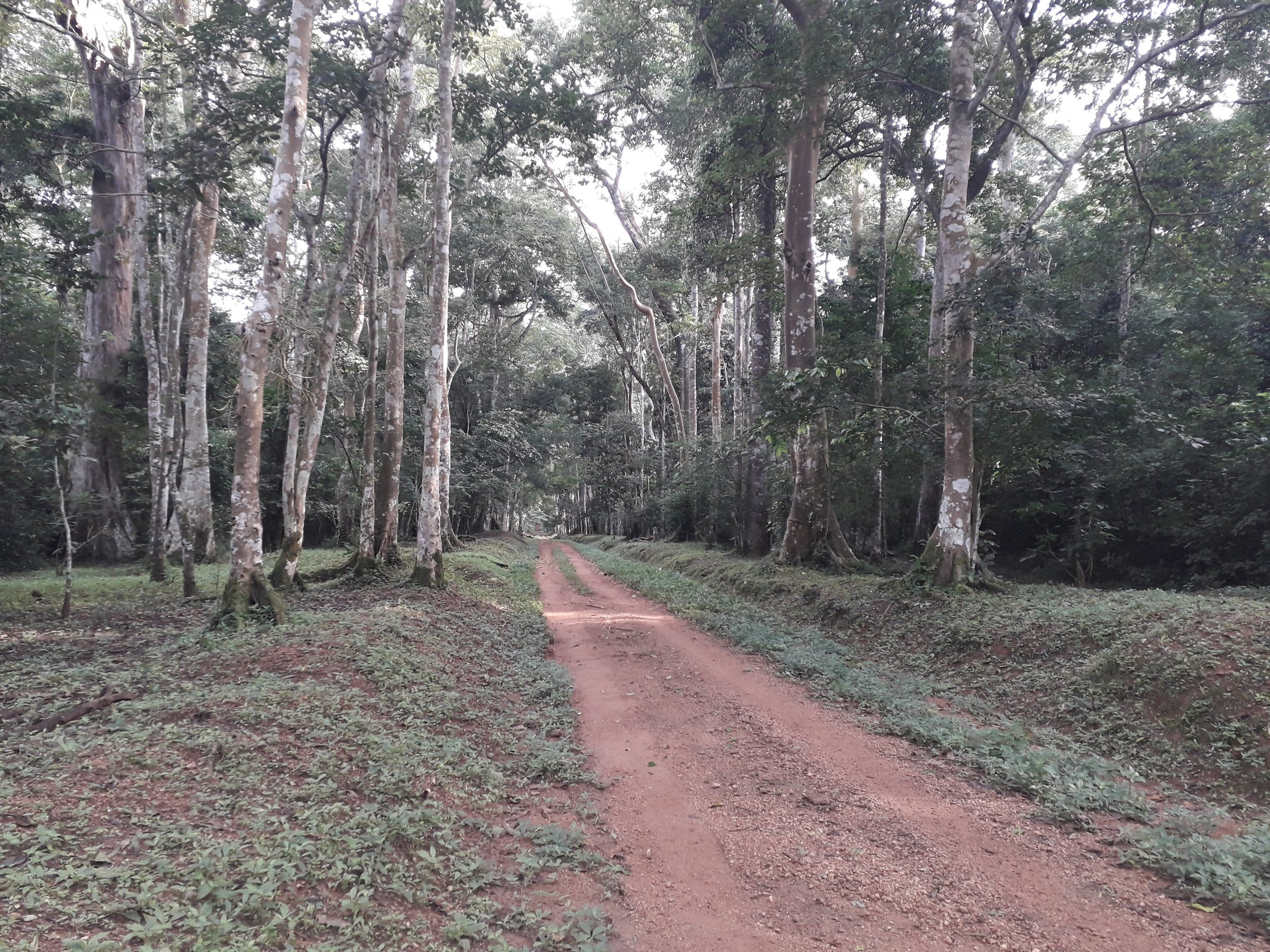
Station 08, Birding, Passage I, Passage II
Film, Birding, Passage I
Station 08 · Birding · 620 m
The finest single stretch of birding in East Africa.
Four passages, eight days each. A deposit of 30% on acceptance, the balance 60 days before departure.
| IThe Chwezi Road | 8 days | from US$9,733 |
|---|---|---|
| IIThe Rift Road | 8 days | from US$11,887 |
| IIIThe Eastern Endemic | 8 days | from US$12,203 |
| IVThe Hour | 8 days | from US$13,672 |
30% on acceptance · balance 60 days before departure
Paper payment · deposit record
A deposit of 30% is due on acceptance and the balance 60 days before departure. Prices are per person, six sharing. This form issues a tracking reference and a record for you to send with the slip; nothing is stored on this site.
Photograph Josefito123 / Wikimedia Commons · CC BY-SA 4.0